What is Traumatic Brain Injury?
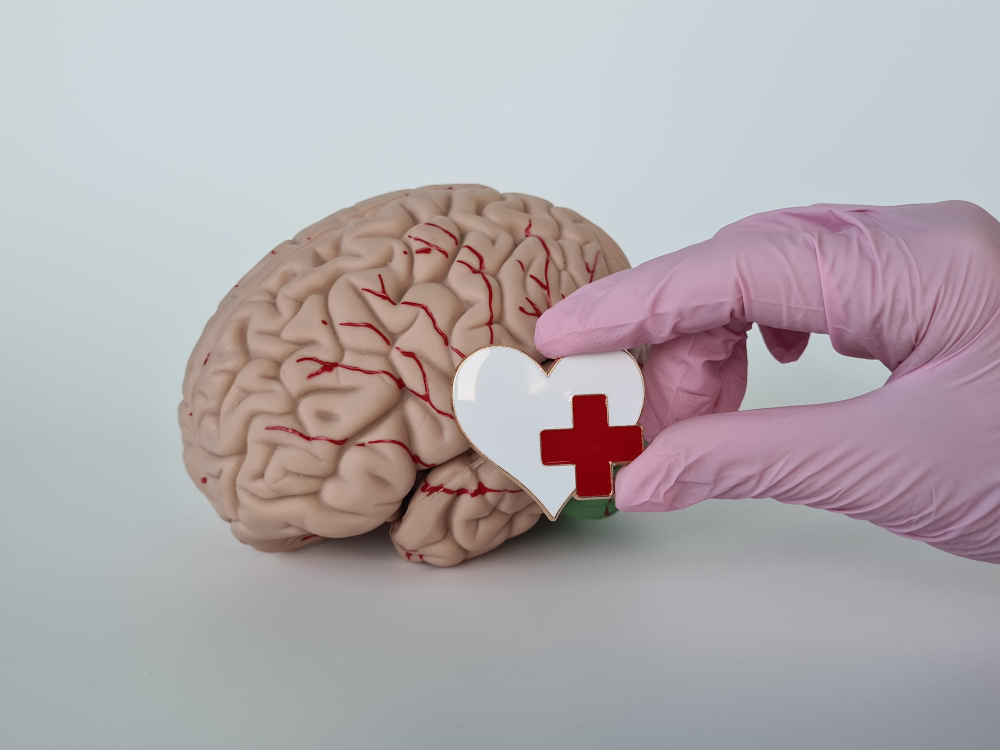
Traumatic brain injury, or TBI, happens when a sudden force damages the brain. This can result from a blow, bump, or jolt to the head. Sometimes, an object may even pierce the skull. TBI is a serious health issue. It can affect how you think, feel, and move. According to the CDC, millions of people worldwide experience TBI each year. Because the brain controls many body functions, even a mild injury can have lasting effects. Understanding TBI helps you respond quickly and seek the right care.
Common Causes of TBI
Many daily activities can lead to traumatic brain injury. However, some causes are more common than others. Knowing these can help you stay alert and safe.
In many cities, falls and road accidents are the top reasons for TBI. But, sports and recreational activities also play a role. Therefore, always use safety gear and follow rules to lower your risk.
Recognizing Symptoms of TBI
Early signs of TBI can be mild or severe. Sometimes, symptoms appear right away. Other times, they may show up hours or days later. Because quick action is important, watch for these signs:
If you notice any of these symptoms after a head injury, seek emergency care right away. Quick treatment can prevent further harm.
Emergency Care Steps for TBI
When someone has a possible TBI, acting fast is key. Here are steps to follow until help arrives:
Because TBI can worsen quickly, always get medical help as soon as possible. Even if the person seems fine, symptoms may appear later.
Diagnosis and Medical Evaluation
Doctors use several methods to check for TBI. First, they ask about the injury and symptoms. Next, they perform a physical exam. Often, they check how well the person can move, speak, and remember things. In many cases, doctors use imaging tests like CT scans or MRIs. These tests show if there is bleeding, swelling, or other damage in the brain. Sometimes, doctors may observe the patient for a few hours or days. This helps them watch for changes and plan the best treatment.
Treatment Options for TBI
Treatment for traumatic brain injury depends on how severe the injury is. For mild TBI, rest and close monitoring are often enough. However, moderate or severe TBI may need more care. Treatment options include:
Because every brain injury is different, doctors create a plan that fits each patient’s needs. Early treatment can improve recovery and lower the risk of long-term problems.
Recovery and Rehabilitation Process
Recovery from TBI can take weeks, months, or even longer. The process depends on the injury’s severity and the person’s health. After emergency care, rehabilitation helps people regain lost skills. This may include:
Because progress can be slow, patience is important. Family and friends play a big role in support. With the right care, many people make strong recoveries.
Tips for Prevention and Safety
While not all TBIs can be prevented, many steps can lower your risk. Consider these safety tips:
Because prevention is better than cure, these habits can protect you and your loved ones from TBI.
If you suspect a traumatic brain injury, seek immediate medical attention and consult a specialist Dr Shankar Athawale for personalized care.